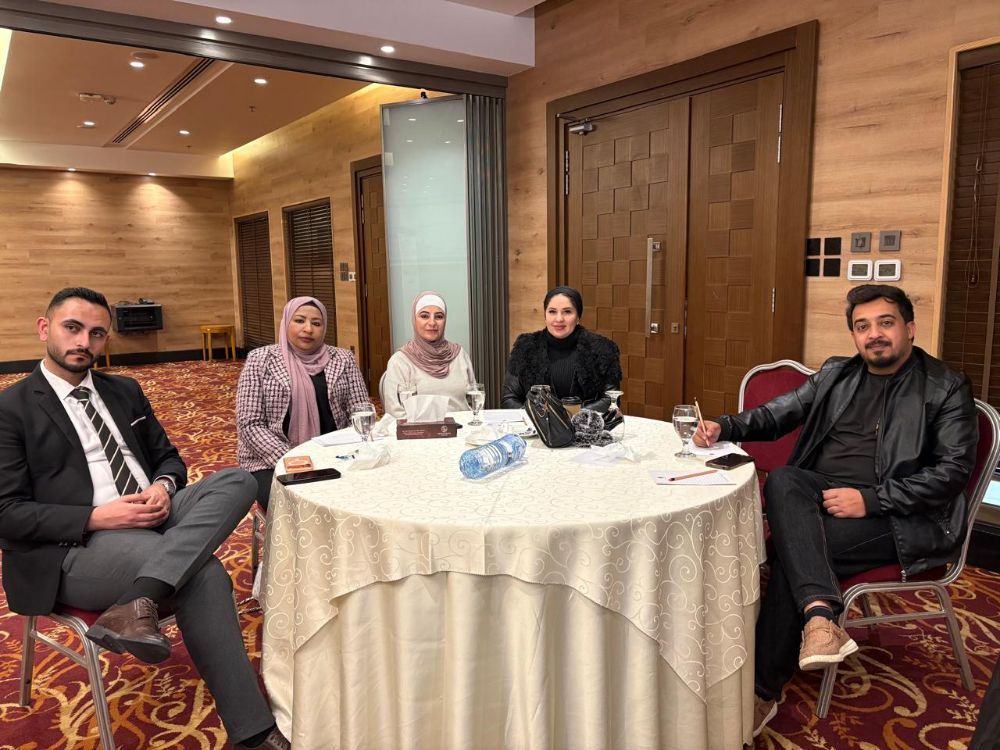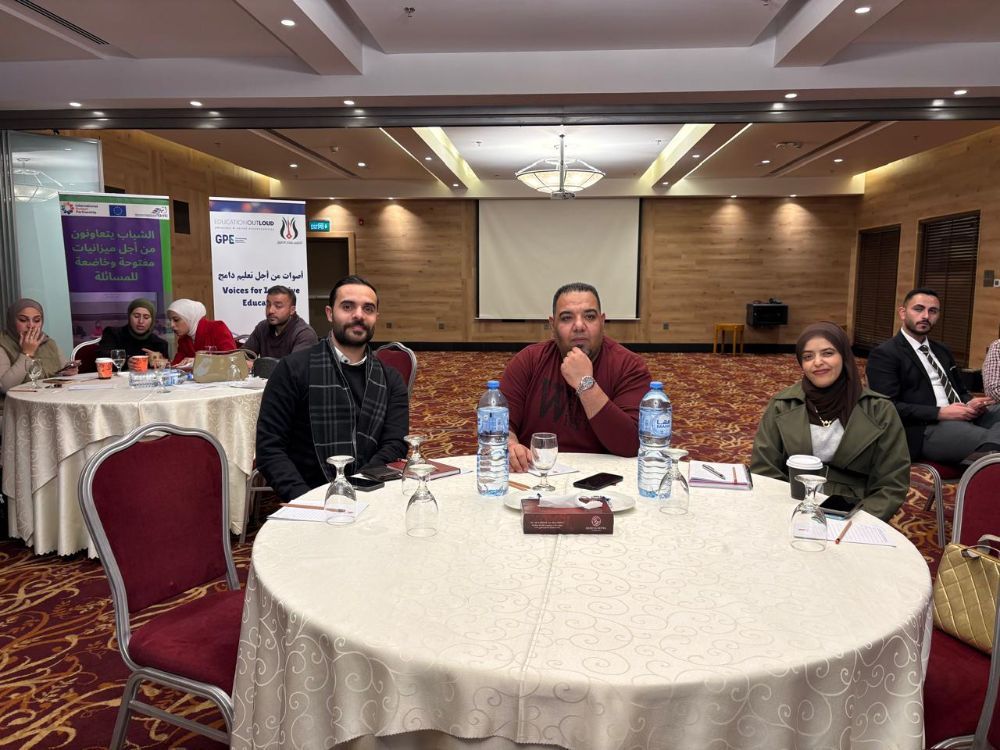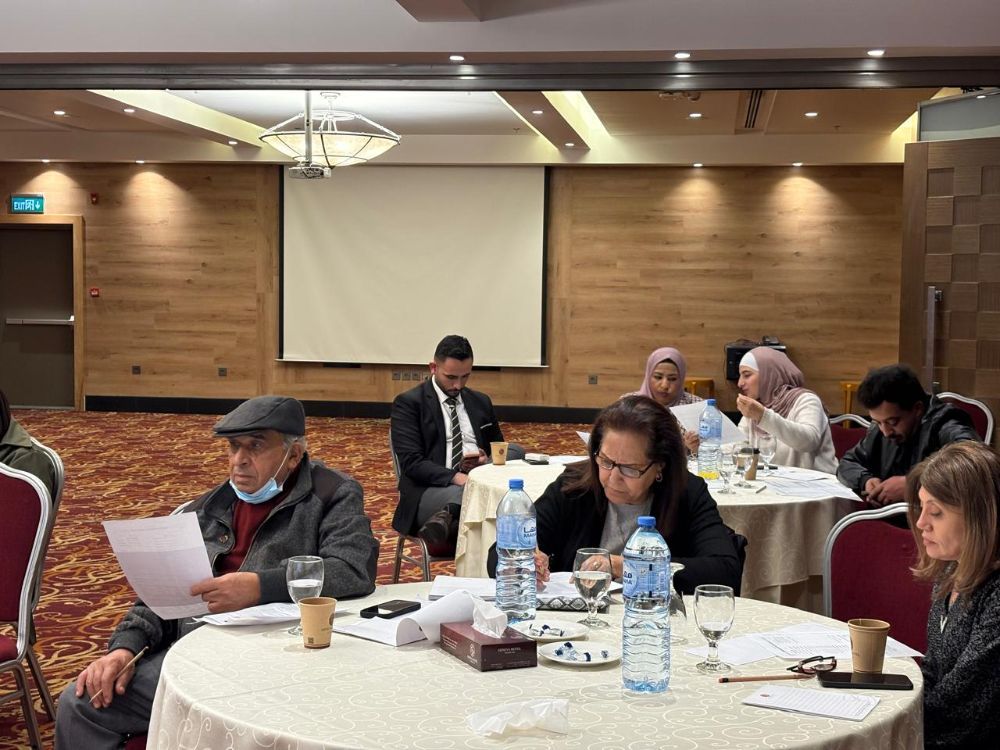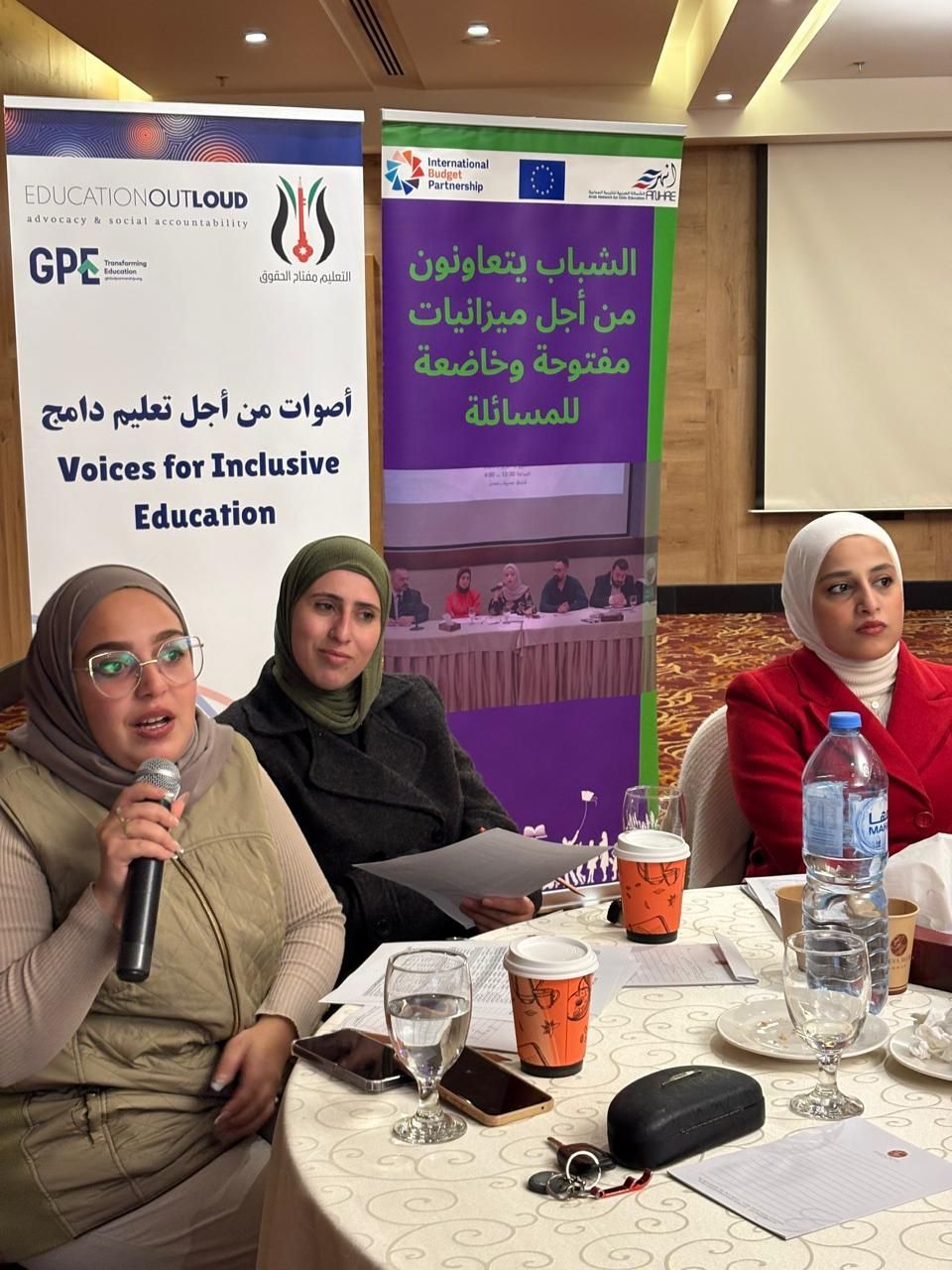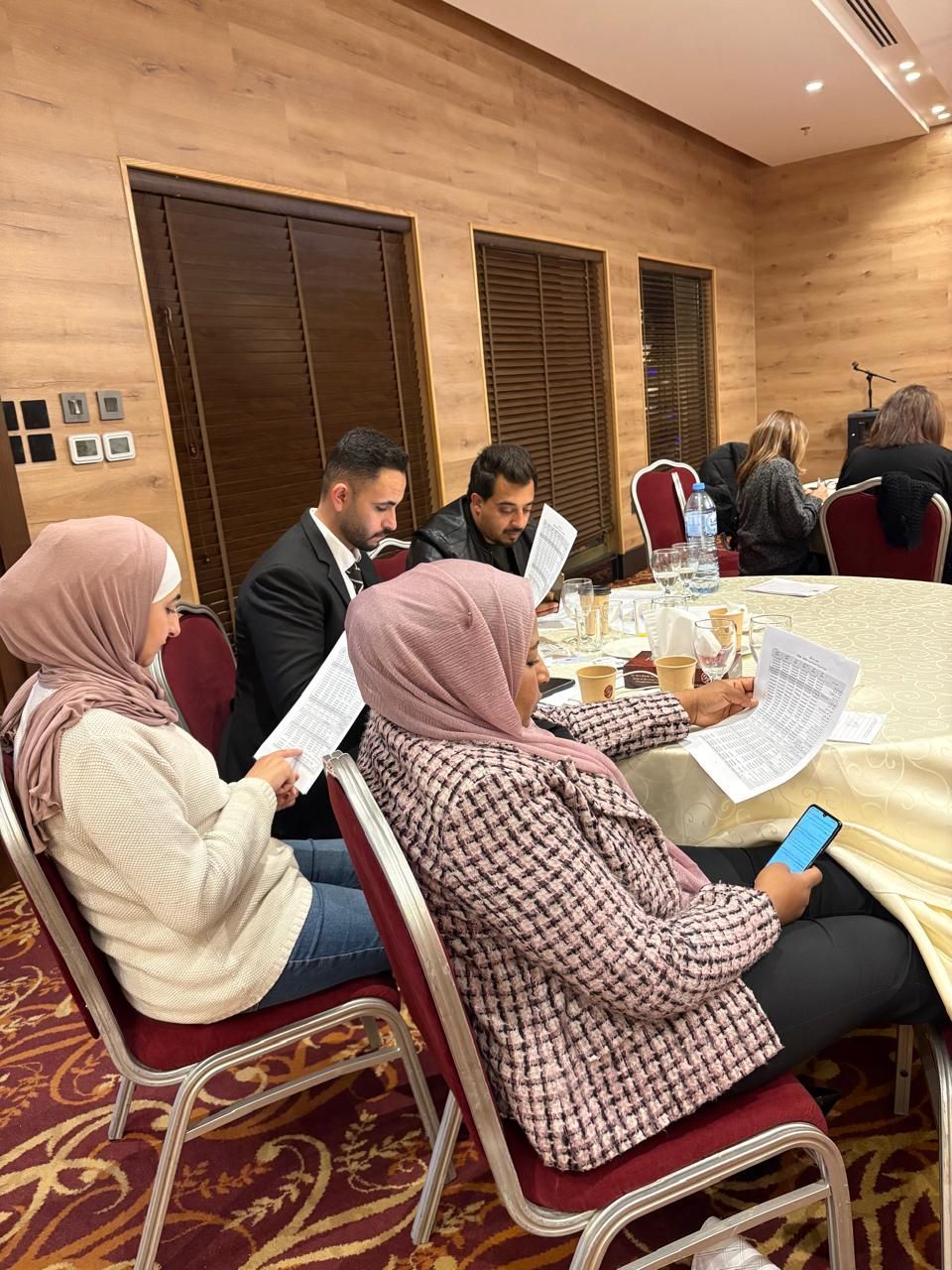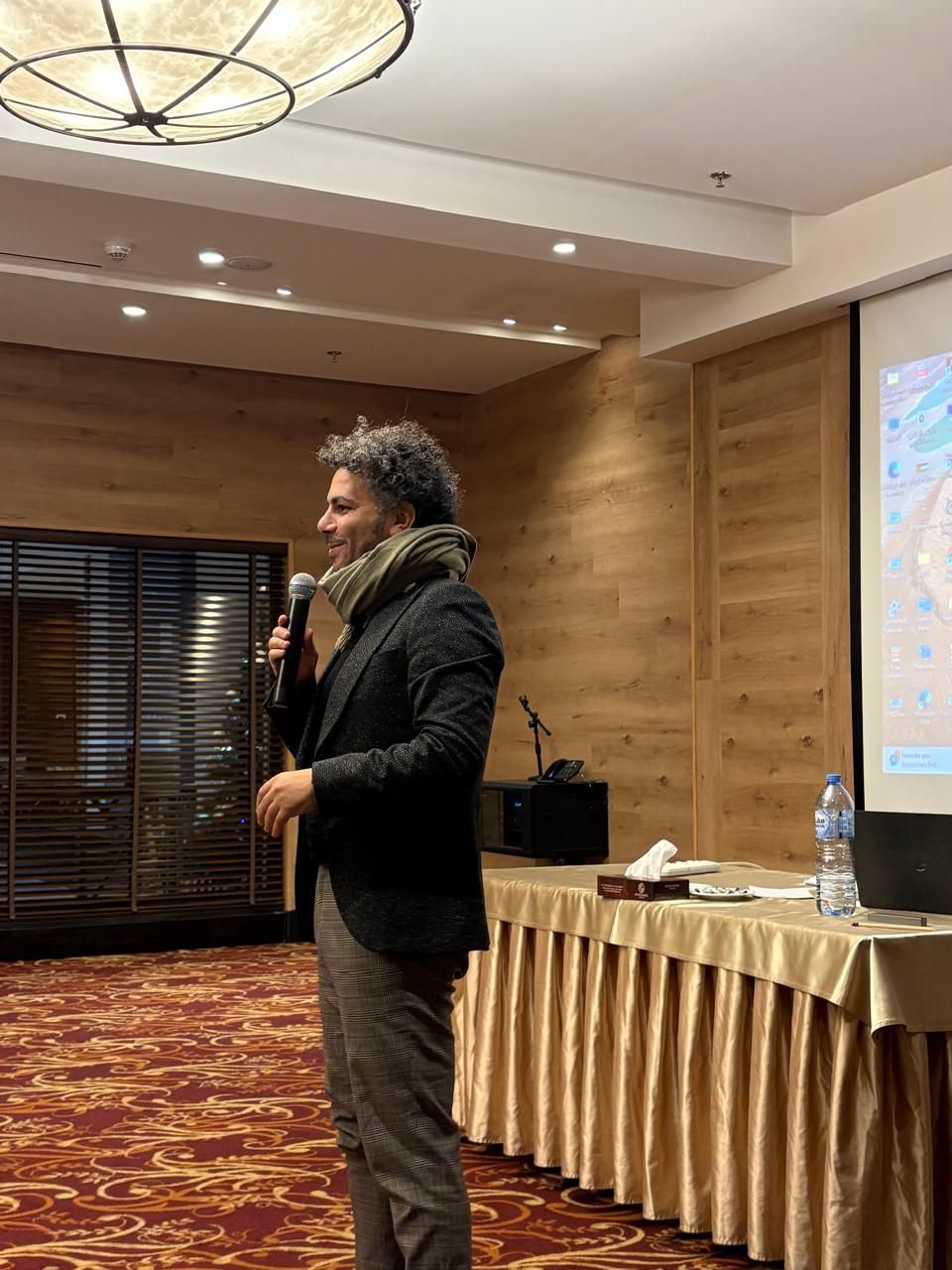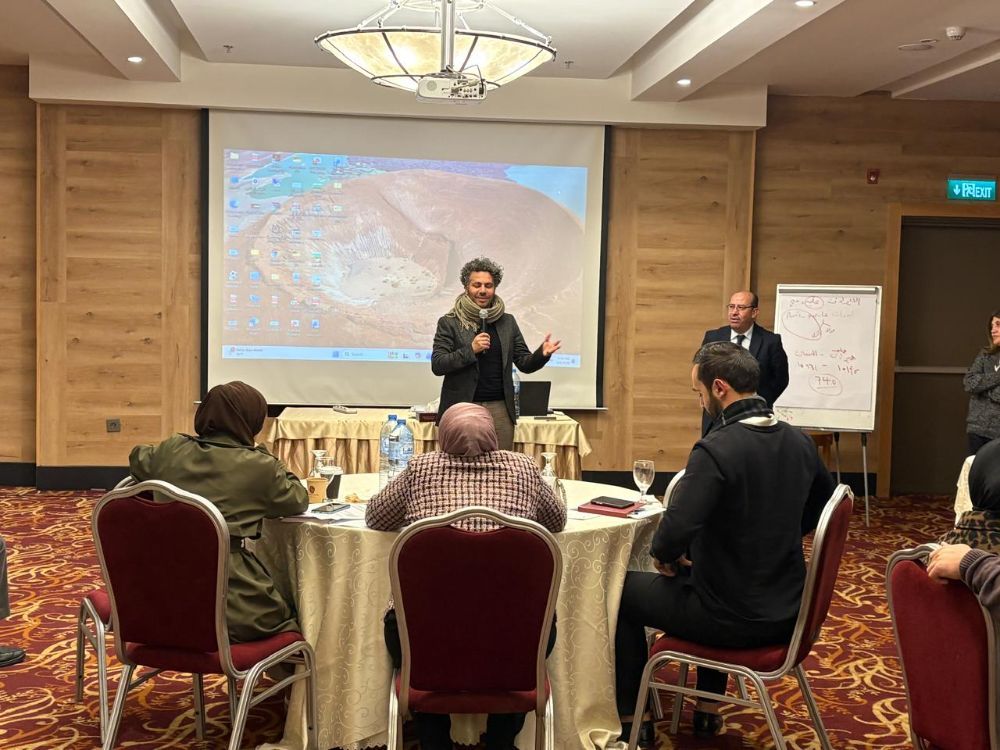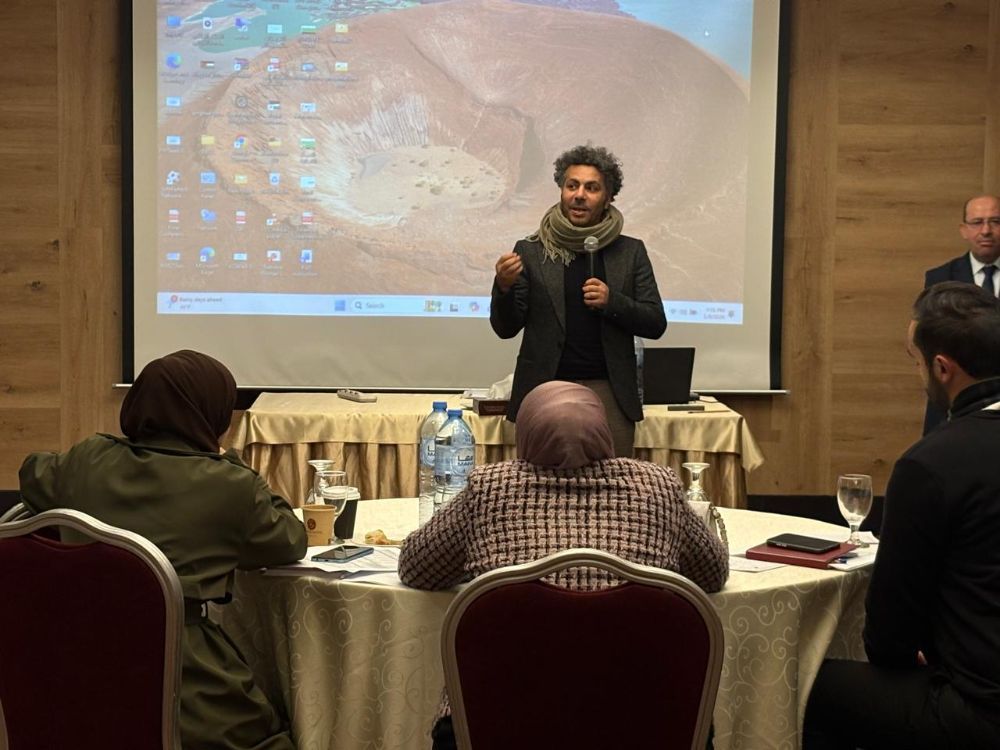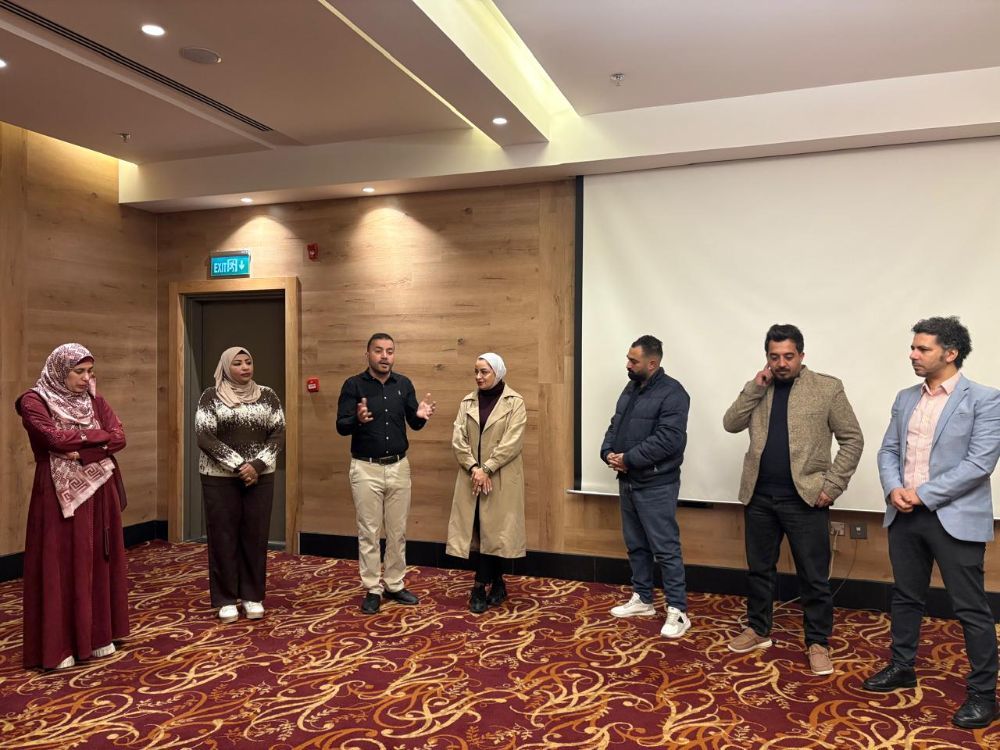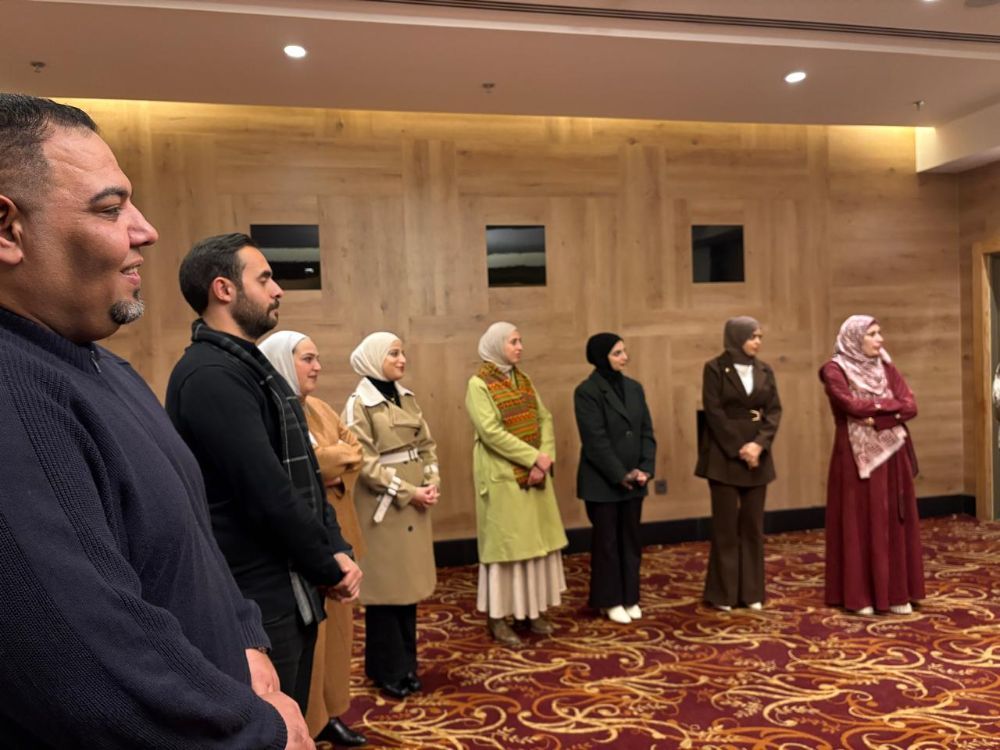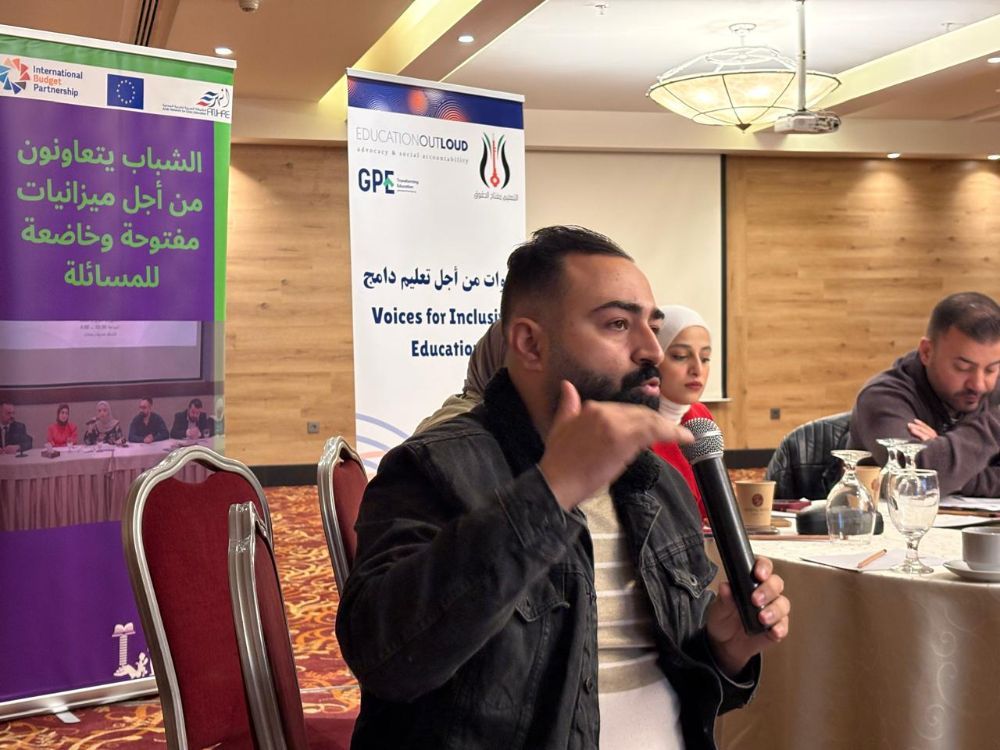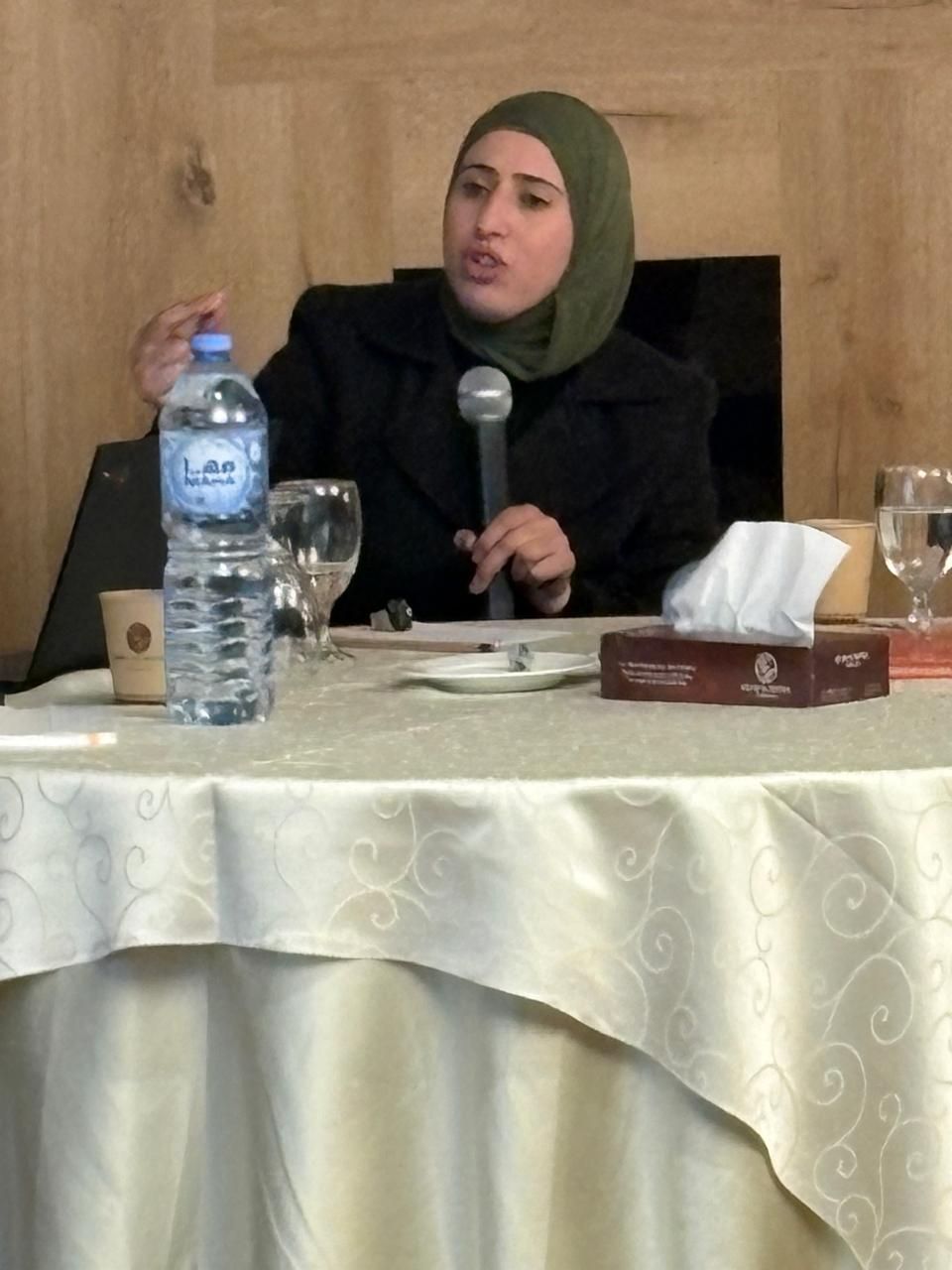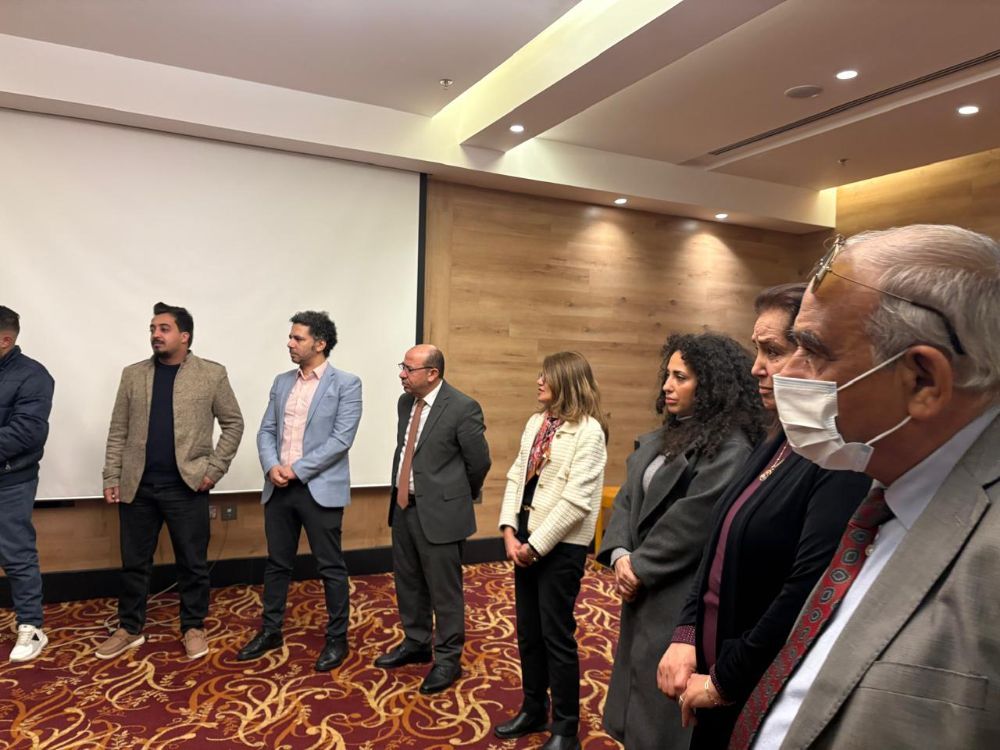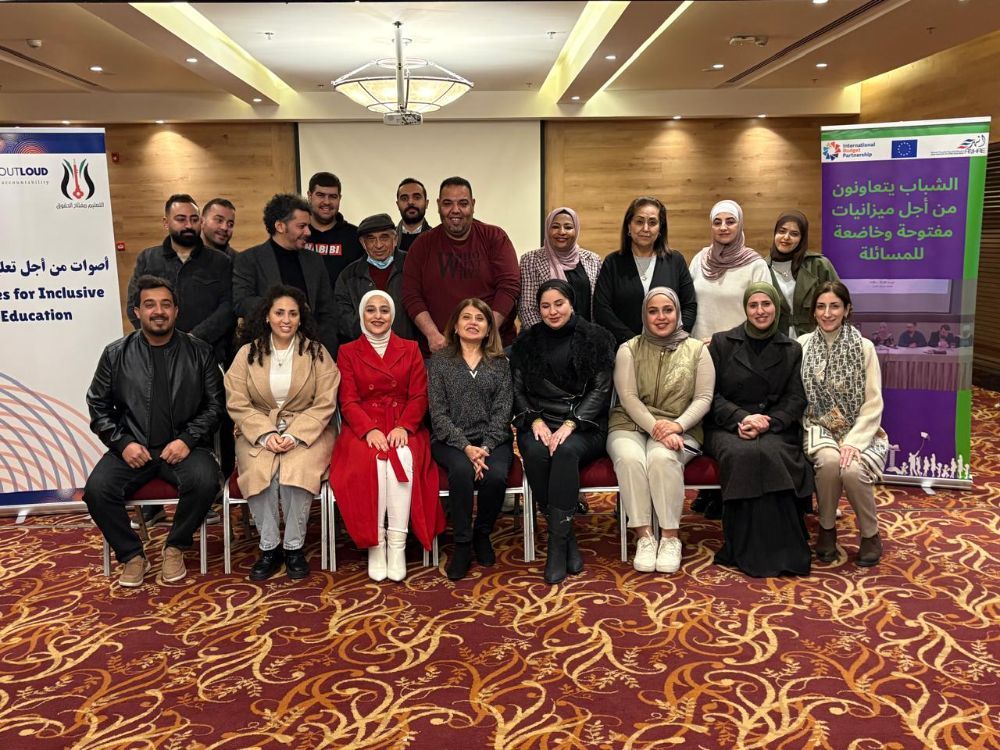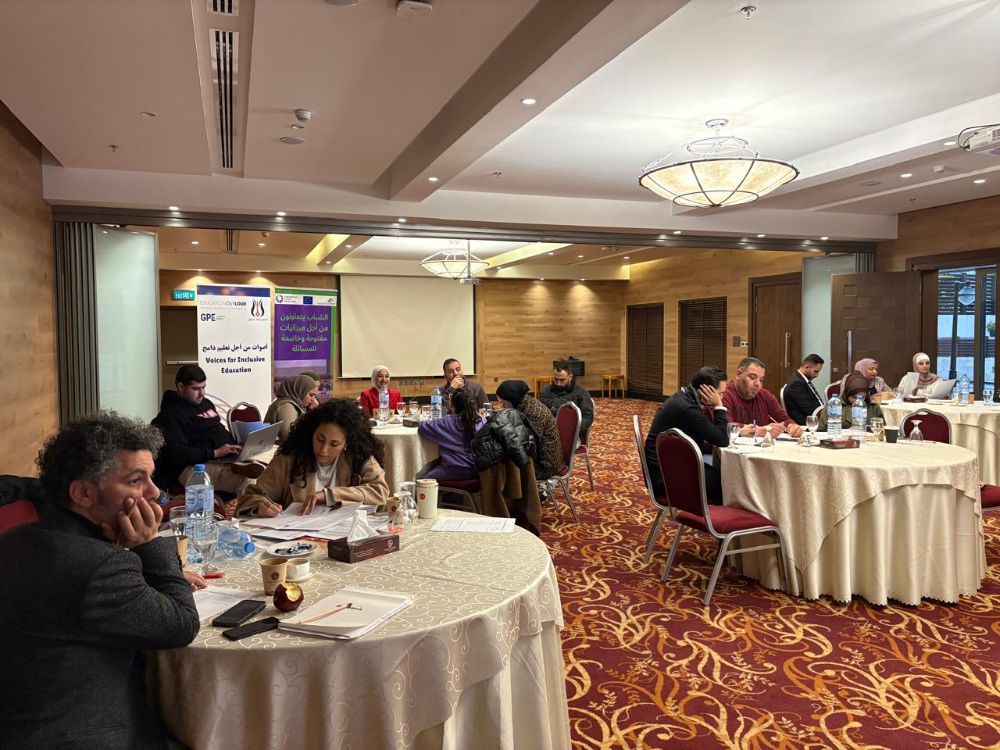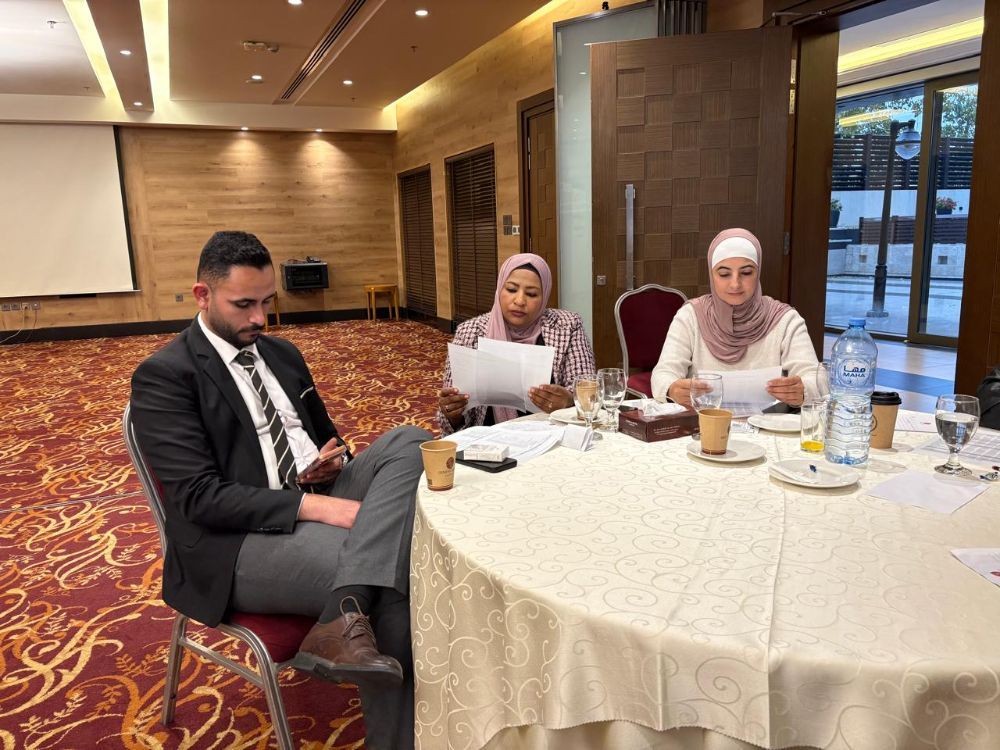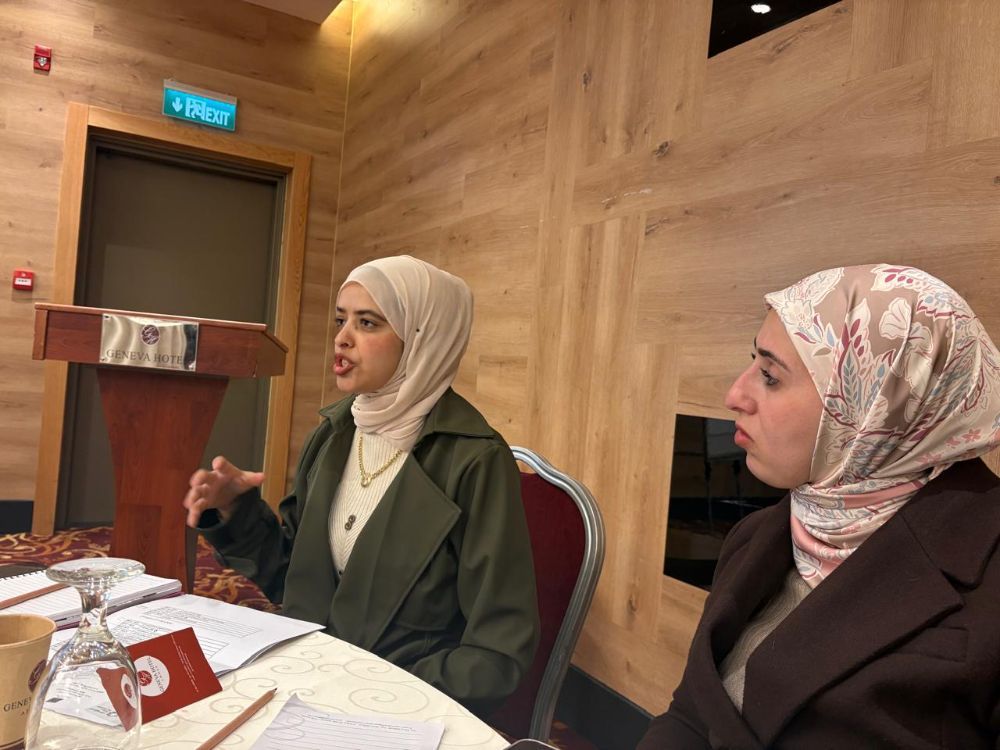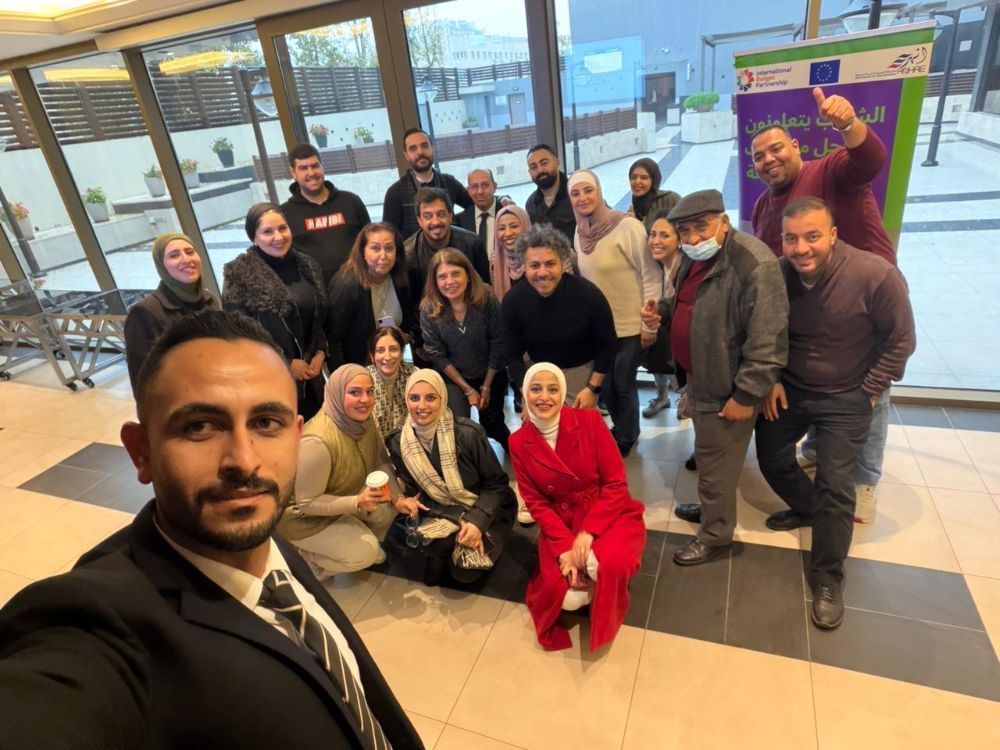
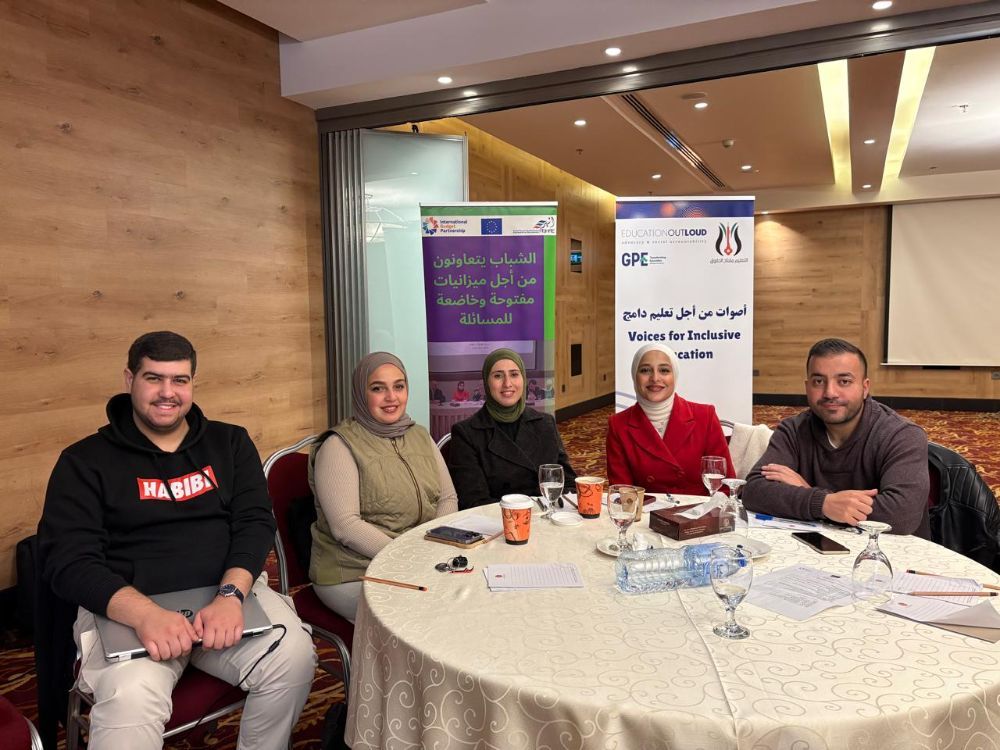
As part of its commitment to enhancing budget transparency, accountability, and youth engagement in analyzing public education financing, the Arab Network for Civic Education (ANHRE), through the “Youth Collaborate for Open and Accountable Budgets” project and the “Education Out Loud” program, in partnership with the International Budget Partnership (IBP) and with support from the European Union GPE and Oxfam Denmark, implemented a specialized workshop on tracking and analyzing the general budget with a focus on the education sector between 8-10 January 2026. The workshop targeted Youth and local civil society organizations that are members of the Jordanian Education for All Network from several governorates across the Hashemite Kingdom of Jordan.
The training aimed to empower participants to analyze the education budget using a rights‑based and social justice approach, advocate for data‑driven education issues, and build their capacities to understand, analyze, and track the 2026 General Budget. It placed particular emphasis on education sector allocations by using a participatory analysis tool to examine education funding in Jordan’s public budget. This tool is based on human rights and financial principles, as well as practical advocacy methods to support increased and improved budget allocations and more effective spending to ensure quality, equitable, inclusive, and fair education for all in Jordan.
Twenty young participants from various governorates took part in the training. They engaged in practical discussions on public spending priorities, education sector financing, understanding how public resources are planned, allocated, and executed, and the role of citizens—especially youth—in all stages of the public budget cycle, including education budgeting and monitoring. The 2026 project activities were also presented, which will include contributing to community dialogues on evaluating the education budget at the governorate level with a focus on inclusion and equity.
Imad Imam, the Regional Coordinator for the International Budget Partnership in the Middle East and North Africa region, stated: “When civil society organizations are able to analyze and track sectoral budgets, they help reactivate the concept of the social contract by organizing citizens to evaluate public services in comparison with the allocated resources, and by formulating well‑informed demands for reforms in public policy and budgeting.”
This training represents an important step toward building a conscious generation of young people capable of reading and using data to advocate for the right to education. It strengthens their civic participation and equips them to engage meaningfully in discussions related to education financing and public policy. It also aligns with IBP’s vision of enabling citizens to use budget information to support transparency, enhance accountability and participation, and improve the quality of public spending.
For More infomration about Youth Collaborate for open and Accountable budgets click Here
click here for more about EOL