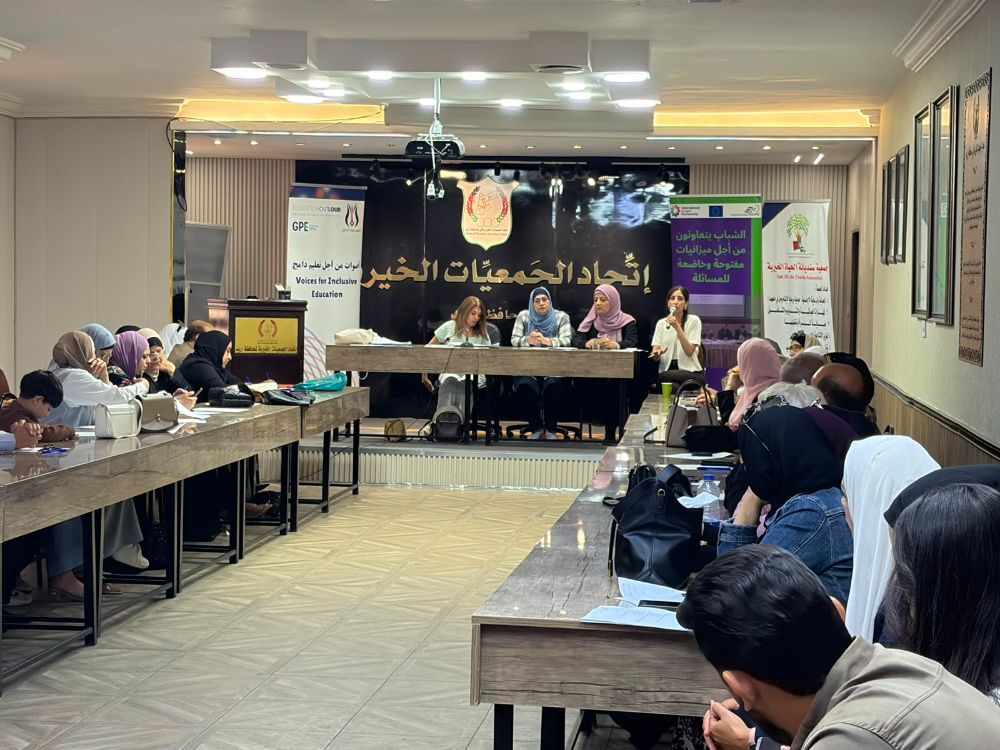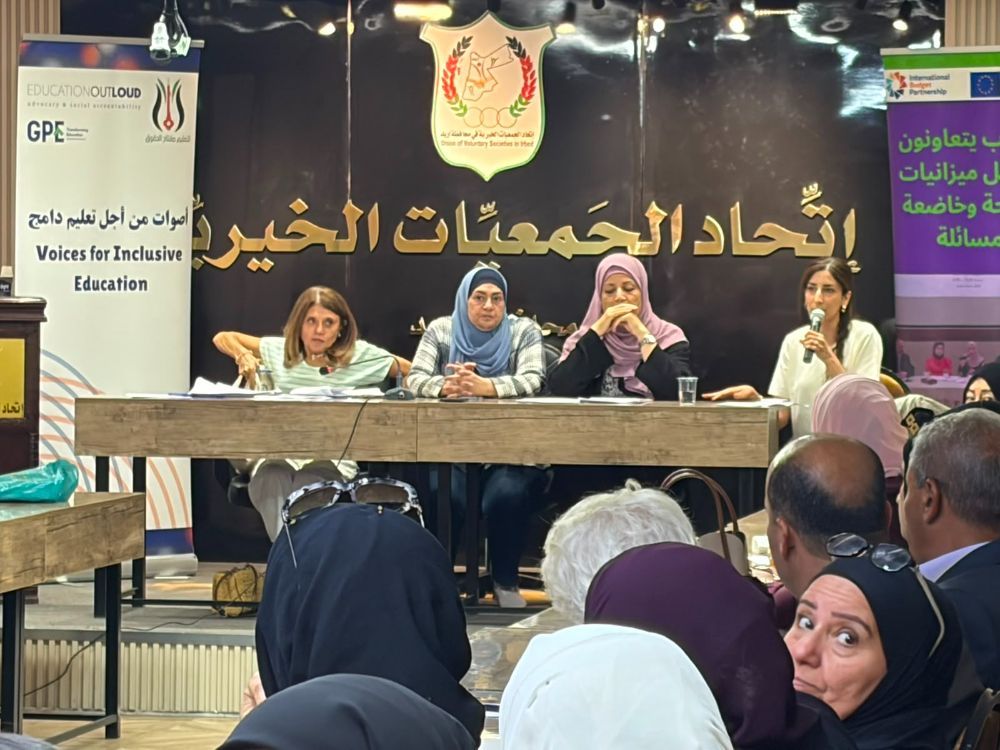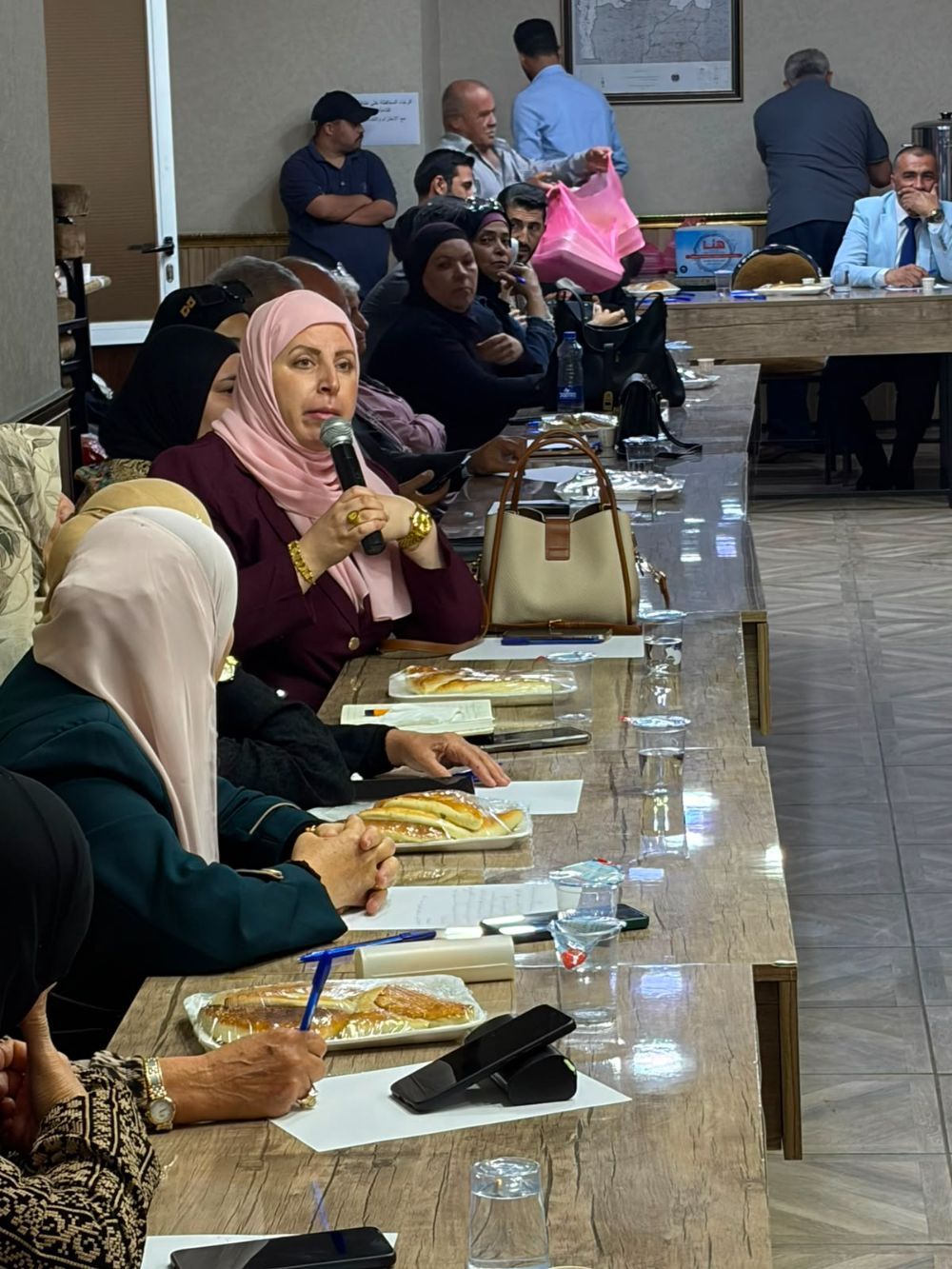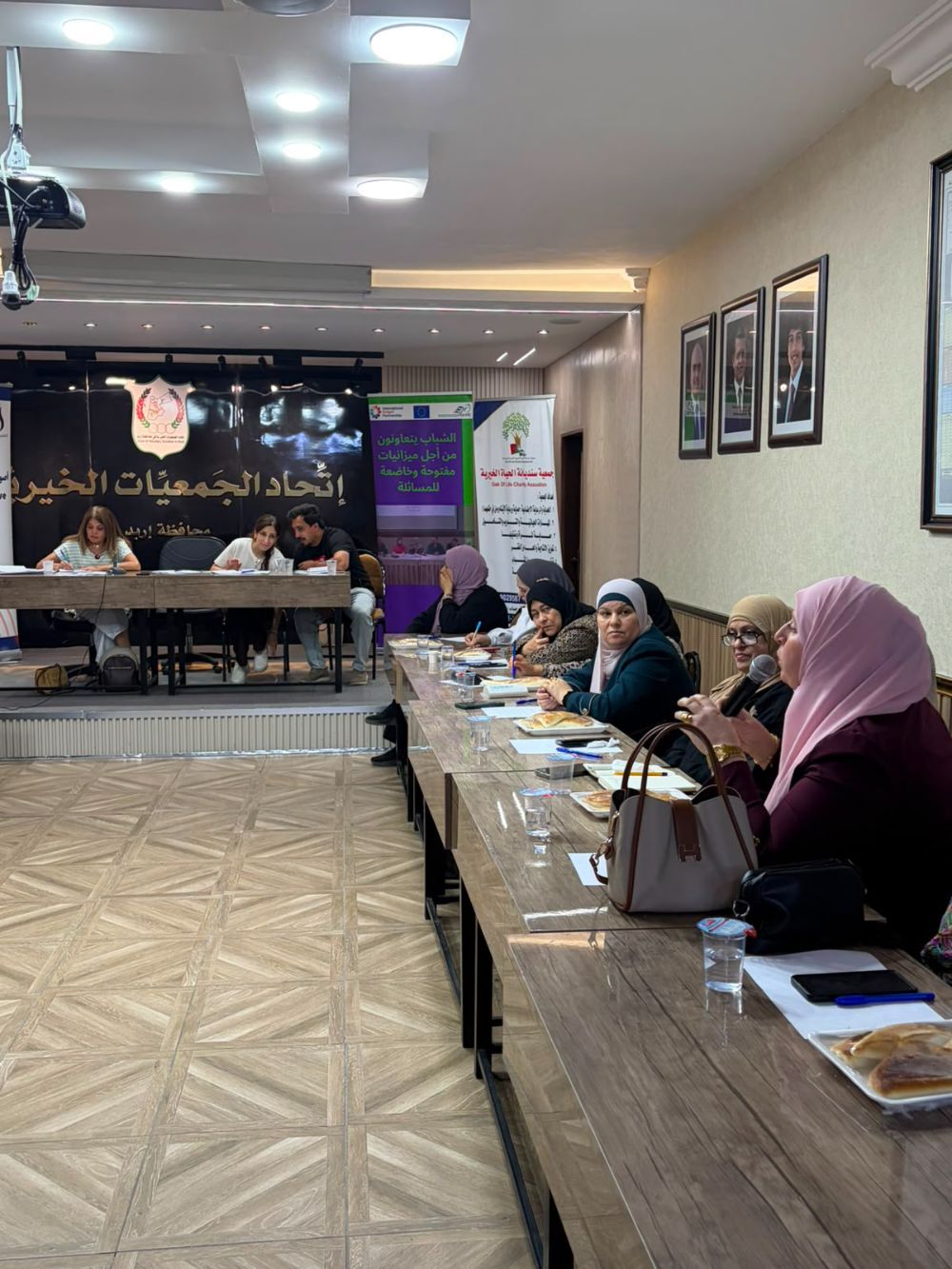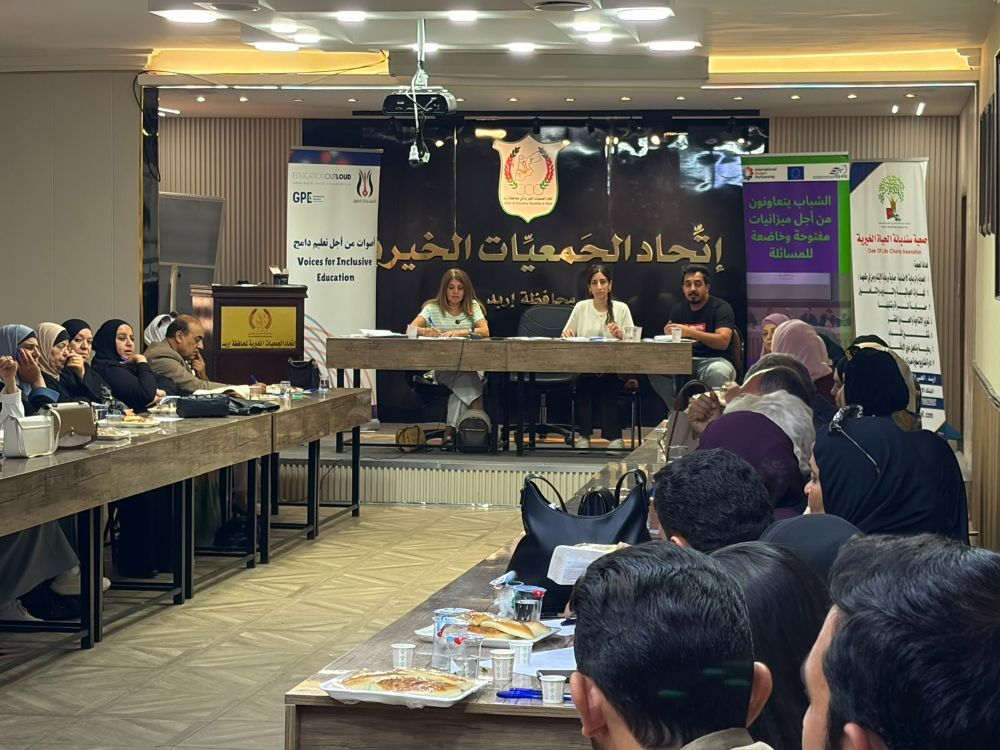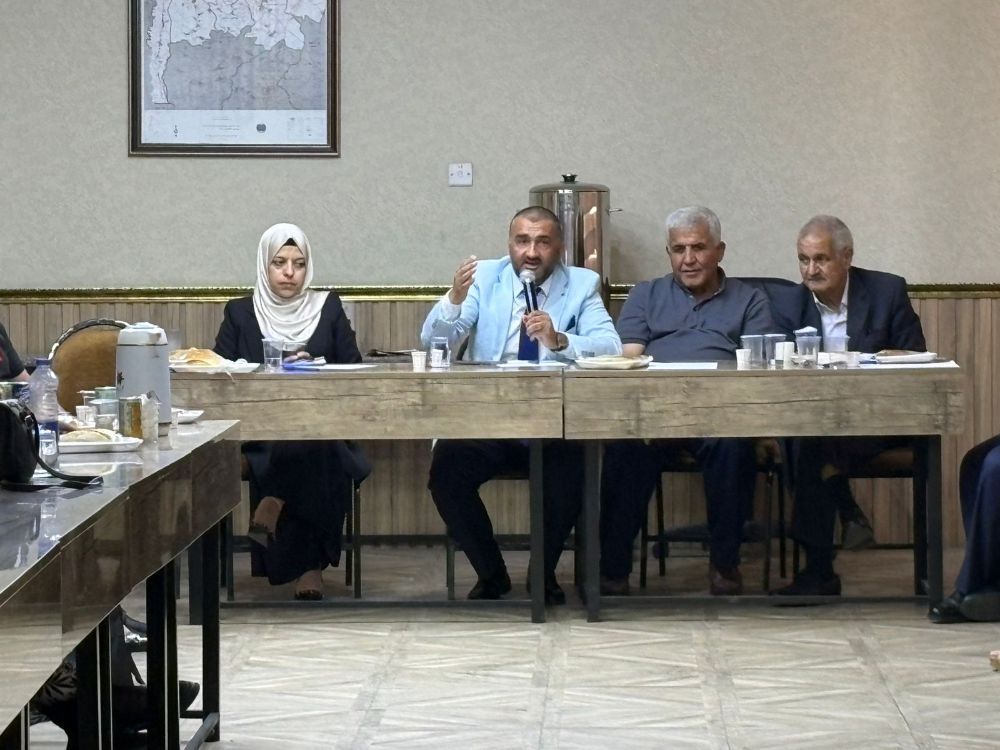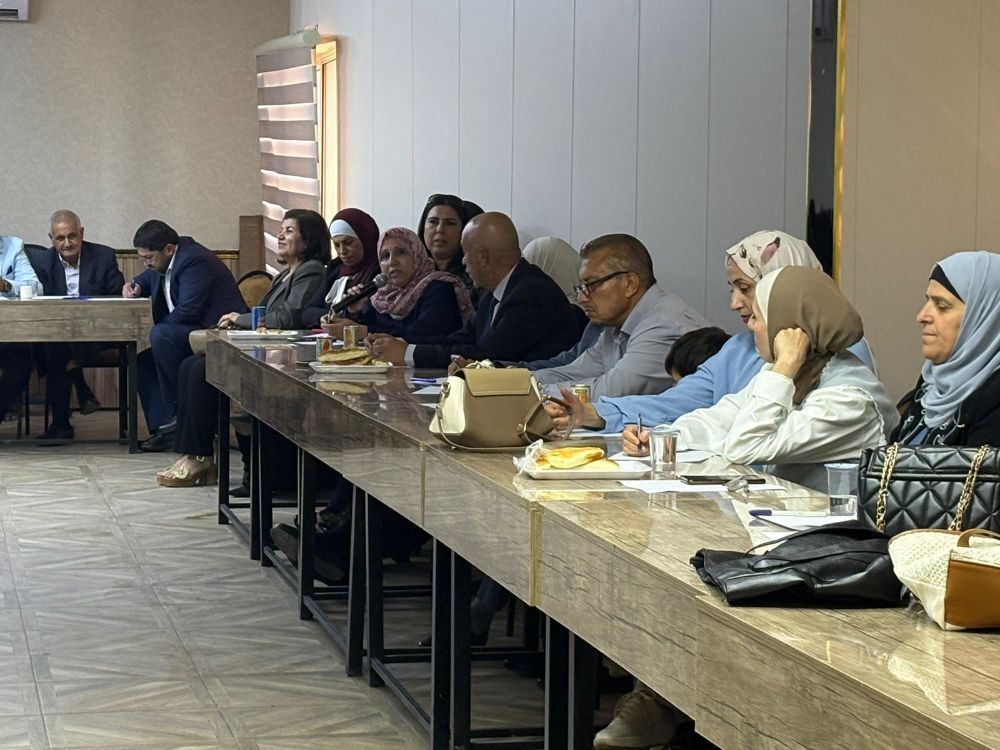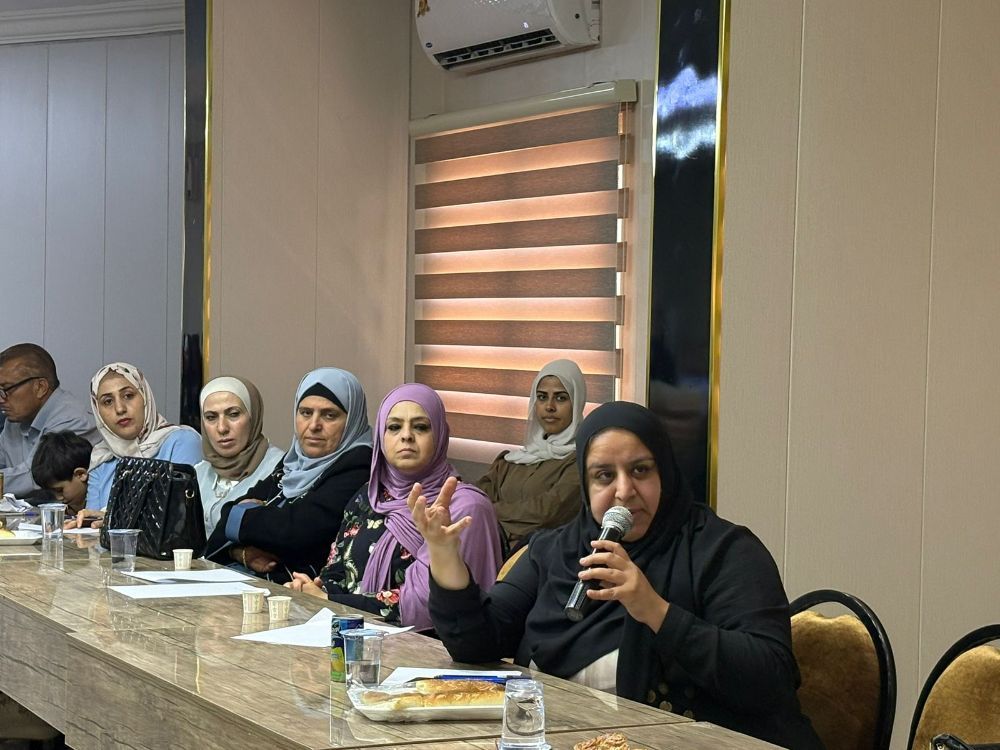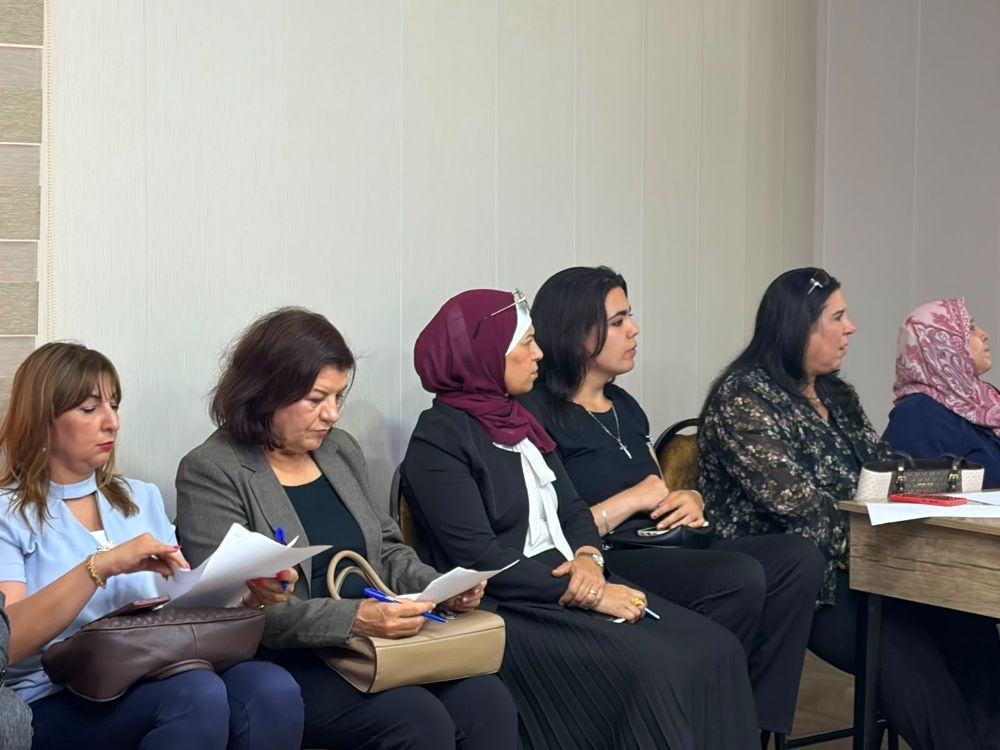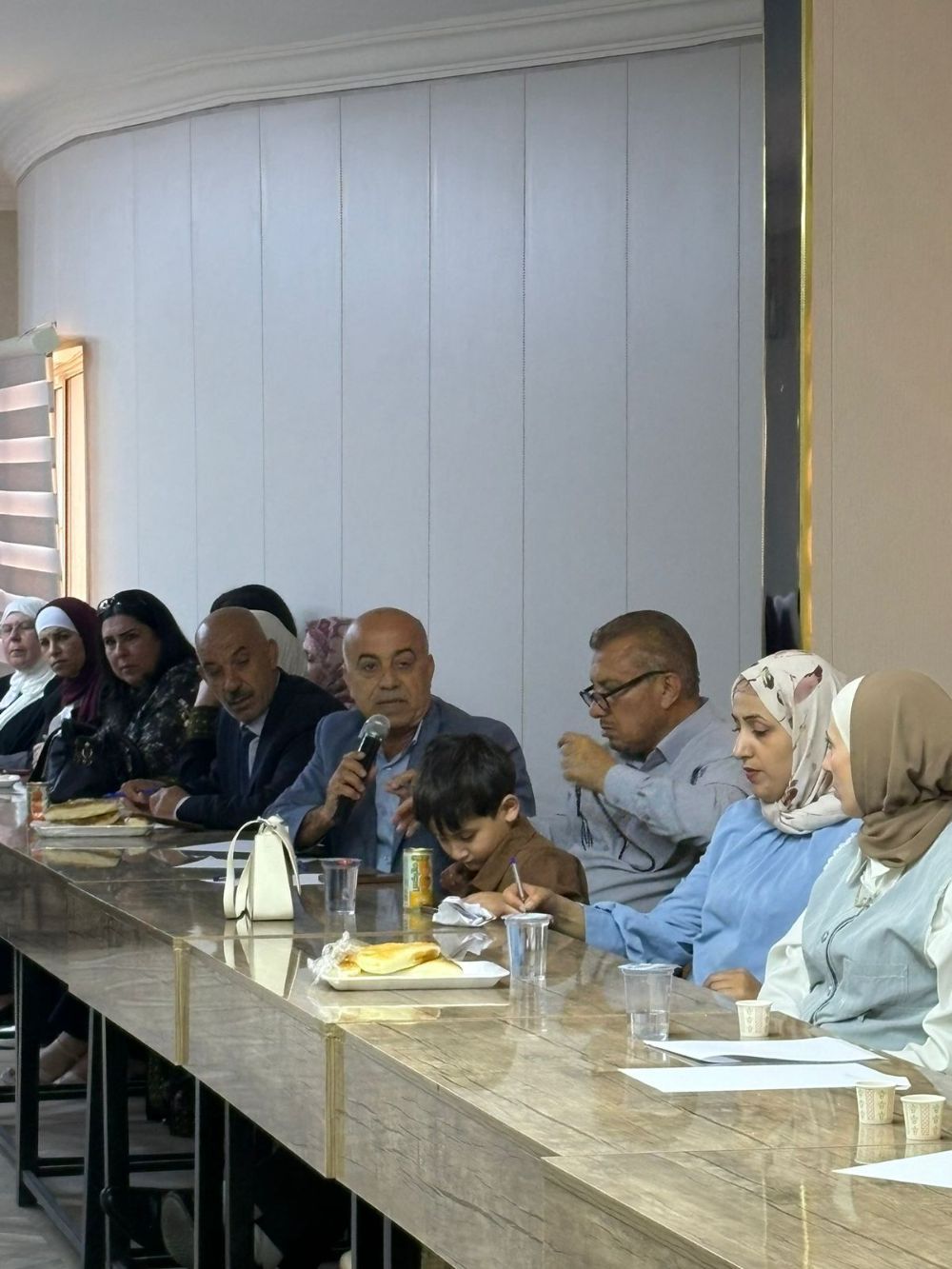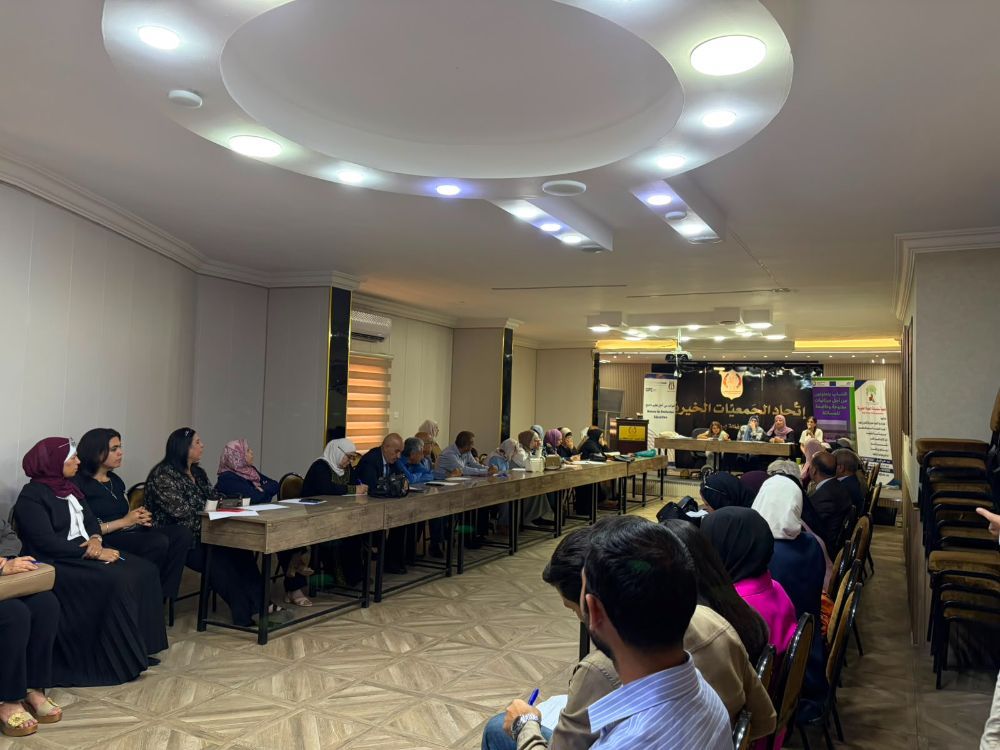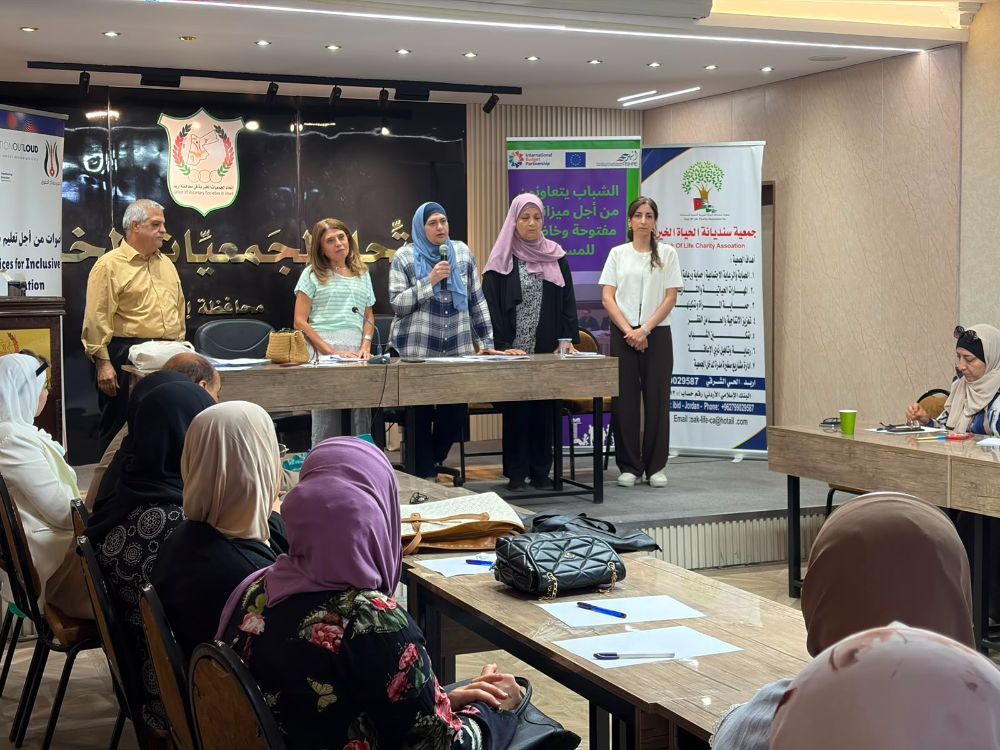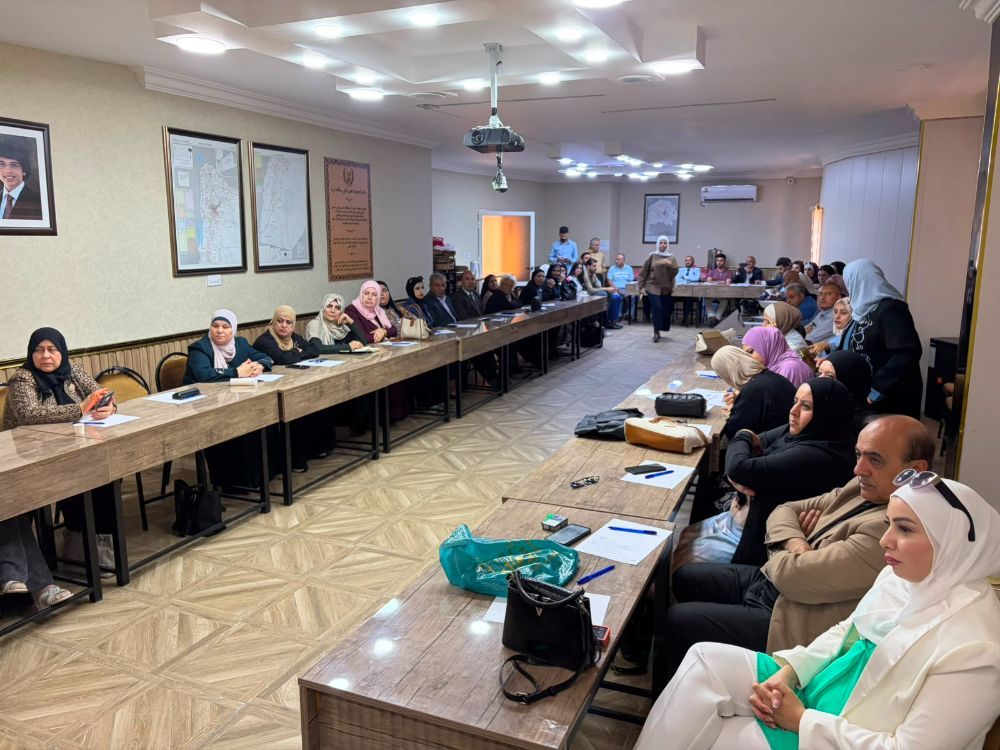
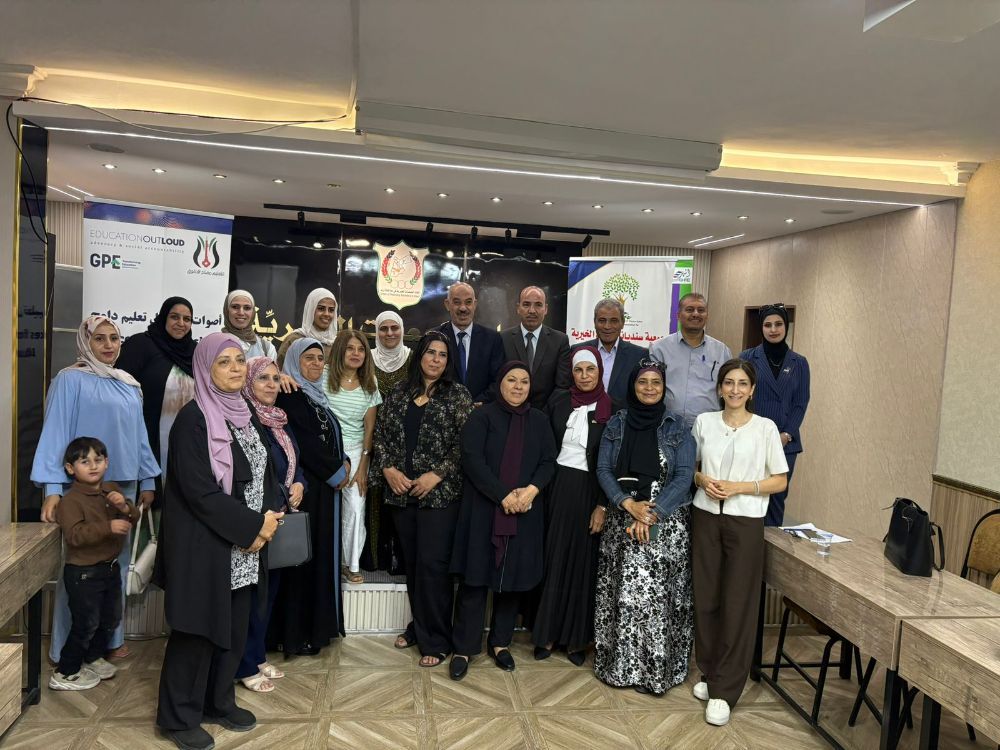
The Arab Network for Civic Education (ANHRE) and the Jordan Network for Education for All (JNEA) organized a regional dialogue session for Jordan’s Northern Region on Tuesday, 30 June 2026, under the title “Community Participation in Planning Education Policies to Ensure Equitable and Inclusive Education for All.” The session was held as part of the Education Out Loud (EOL) programme, in partnership with Oxfam Denmark and funded by the Global Partnership for Education (GPE). It also formed part of the Youth Collaborate for Open and Accountable Budgets project, implemented in partnership with the International Budget Partnership (IBP) and funded by the European Union. The event took place at the Union of Charitable Associations Hall in Irbid Governorate and brought together approximately 60 participants representing a broad range of educational and community stakeholders from across Jordan’s Northern Region.
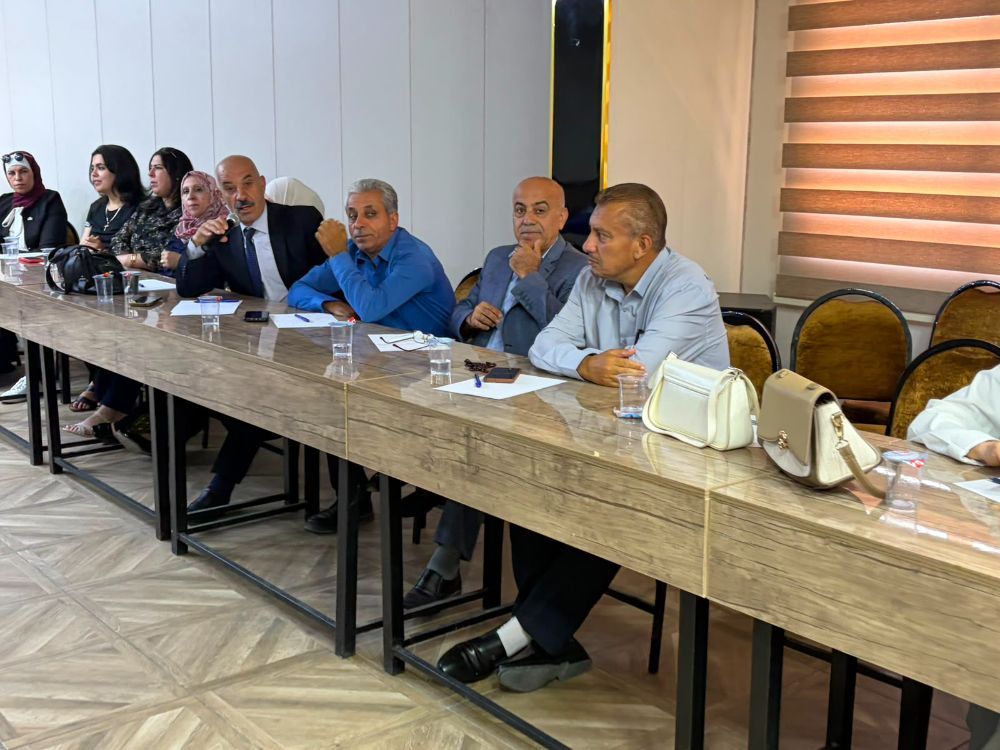
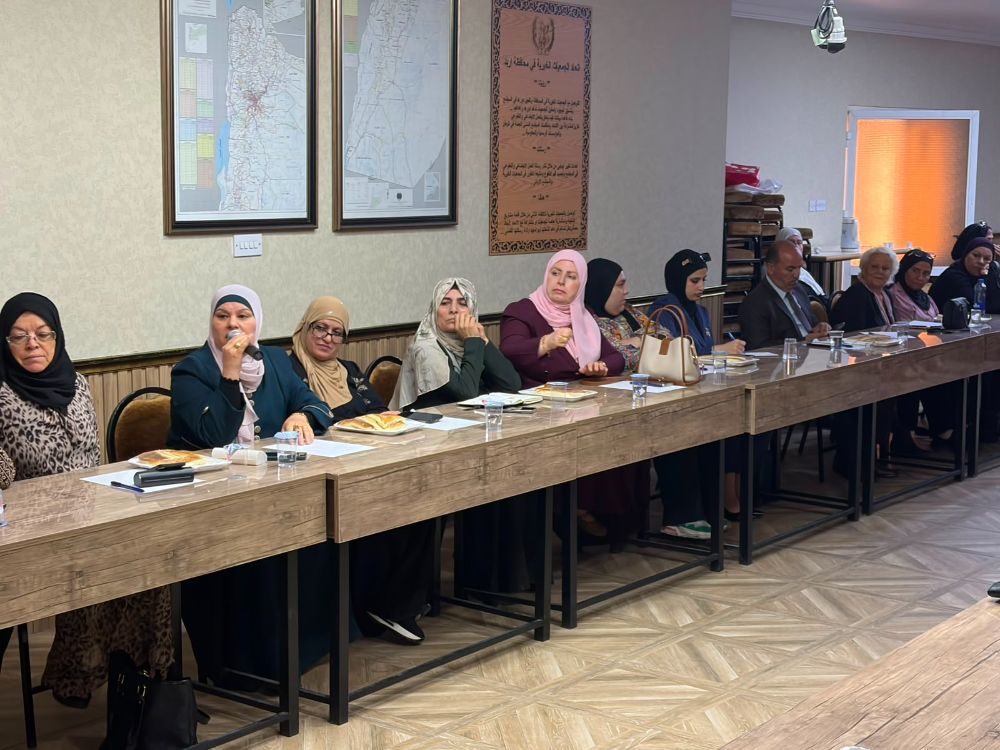
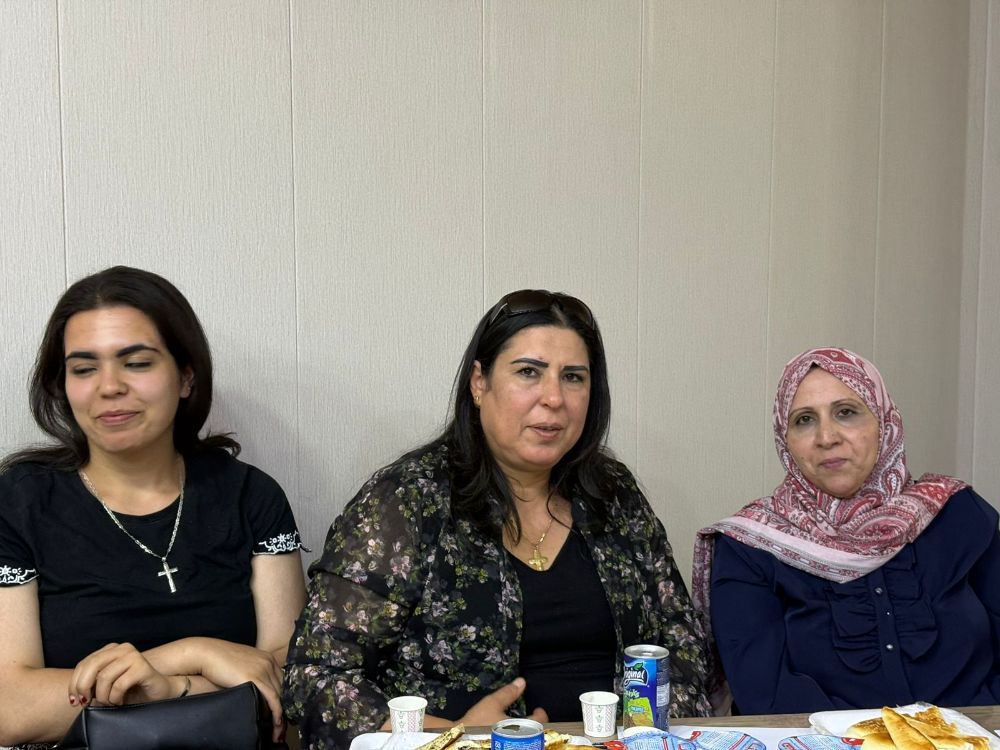
The dialogue was attended by representatives from key education and governance stakeholders, including members of Educational Development Councils, school principals and teachers from inclusive pioneer schools and technical schools, members of decentralization councils, representatives of political parties, parents of persons with disabilities, civil society organizations working in education, and members of parents’ councils. The session provided an inclusive platform for dialogue aimed at engaging diverse stakeholders in shaping education policies.
At the opening of the session, Fatouh Younes, Executive Director of the Arab Network for Civic Education (ANHRE), welcomed participants and emphasized the importance of such dialogue platforms in strengthening the role of local communities as key partners in improving education and informing education policy and decision-making. She stressed that meaningful community participation contributes to developing more equitable, inclusive, and responsive education policies that address the needs of all learners.
Ms. Younes also facilitated the dialogue, guiding discussions to encourage the exchange of experiences and perspectives and to generate practical recommendations for strengthening the education sector.
She highlighted that community participation is a cornerstone of education system development, particularly regarding inclusive education and technical and vocational education and training (TVET). She noted that achieving equitable and inclusive education for all requires genuine partnerships among government institutions, civil society organizations, and all relevant stakeholders.
For her part, Abeer Darouze, National Coordinator of the Jordan Network for Education for All (JNEA), underscored the importance of strengthening national and community dialogue on education policies. She emphasized that advancing the education sector requires listening to the perspectives of all stakeholders and addressing the challenges facing inclusive education and TVET to ensure equal and equitable learning opportunities for every learner without exception.
The session aimed to examine the current state of community participation in education planning and policymaking, while reviewing existing participation structures, including school networks, network councils, parents’ councils, Educational Development Councils, student councils, school development teams, directorate development teams, and local (decentralization) councils. Discussions also explored the relationships among these structures, their coordination mechanisms, and their collective role in strengthening participatory governance, improving education decision-making, and enhancing the quality of education and student learning outcomes.
In addition, the dialogue highlighted key challenges and gaps related to inclusive education and TVET across the Northern Region, while exploring ways to strengthen inclusion and ensure equitable educational opportunities for all learners, particularly those from the most vulnerable and marginalized groups.
Participants discussed a wide range of issues concerning community participation and emphasized the need for stronger coordination and integration among existing councils and participatory structures to improve the quality of education, including both inclusive education and technical and vocational education.
This dialogue forms part of the ongoing efforts of the Arab Network for Civic Education (ANHRE) and the Jordan Network for Education for All (JNEA) to promote community dialogue and strengthen partnerships among stakeholders in the education sector, contributing to the development of a more equitable, inclusive, and sustainable education system across Jordan.
For more about the project click here